

January 12, 2026
Pixel8 RF vs Opus Plasma: Which Treatment Fits Your Skin Goals?
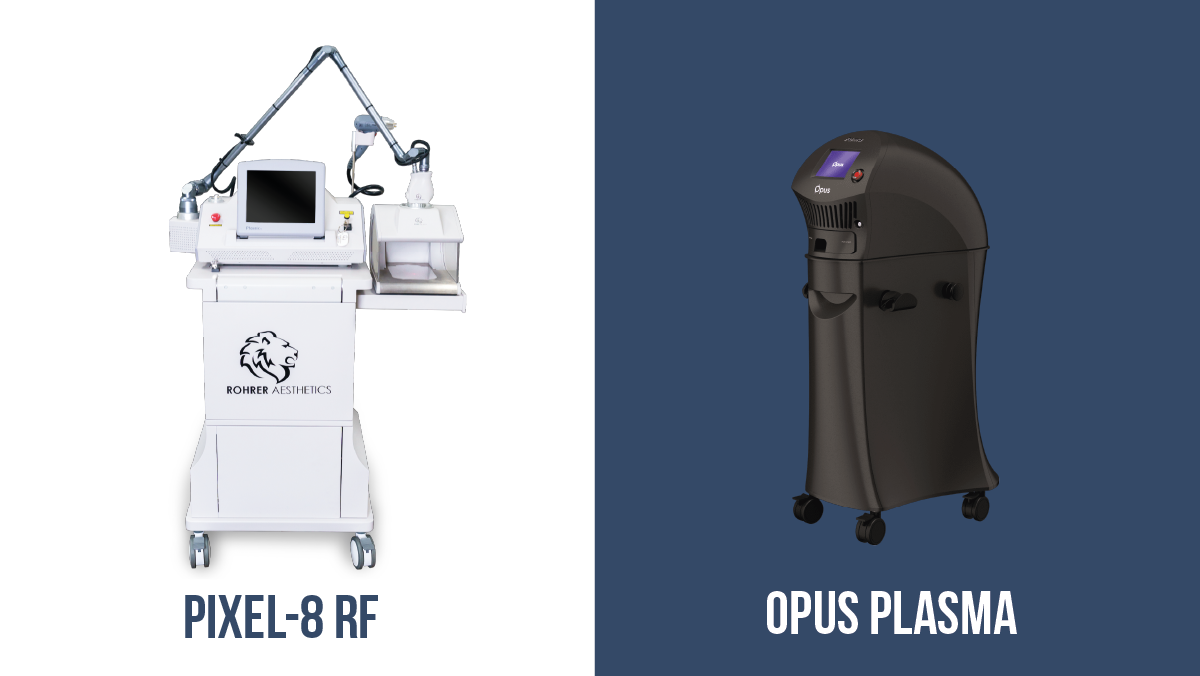
Pixel8 RF vs Opus Plasma is one of the most common comparisons for patients who want to improve skin texture, pores, acne scars, or mild skin laxity without surgery. Both are advanced energy-based treatments, and both can deliver visible improvement—but they work differently and are not interchangeable.
At Balbas Antiaging in Hollywood, FL, we use a consultative approach to determine which option fits your skin, your concern, and your downtime preferences. The best choice is not the “most popular” one—it’s the one that matches your anatomy and goals.
What Is Pixel8 RF vs Opus Plasma Really Comparing?
When patients ask about Pixel8 RF vs Opus Plasma, they are usually comparing two things:
- How the treatment works
- What kind of result and downtime to expect
Both technologies can help improve:
- skin texture
- pore appearance
- acne scar visibility
- fine lines
- skin laxity (mild to moderate)
But the energy source and the way the skin is treated are different, which affects the treatment plan and recovery.
What Is Pixel8 RF?
Pixel8 RF is a form of RF microneedling. It combines:
- tiny microneedles
- radiofrequency (RF) heat delivered at controlled depths
This allows the treatment to target both:
- the surface (texture, pores)
- and the deeper layers (firmness, remodeling)
What Pixel8 RF is commonly used for
- Enlarged pores
- Acne scars
- Fine lines
- Mild skin laxity
- Skin texture irregularities
Because depth and energy can be adjusted by area, Pixel8 RF is a strong option for patients who need customized remodeling in the face or neck.
What Is Opus Plasma?
Opus Plasma is a fractional plasma + RF resurfacing treatment. It creates controlled micro-injuries at the skin surface using plasma energy, while also delivering RF support to improve tightening and texture.
In simple terms, Opus Plasma is often chosen when the goal is to improve:
- surface texture
- fine lines
- scar appearance
- visible skin roughness
- crepey skin in delicate areas
What Opus Plasma is commonly used for
- Texture refinement
- Acne scar improvement
- Fine lines (including around the mouth/eyes)
- Mild laxity
- Overall skin resurfacing with shorter downtime than many traditional ablative lasers
Pixel8 RF vs Opus Plasma for Texture and Pores
When comparing Pixel8 RF vs Opus Plasma for texture and pores, both can be effective—but they shine in slightly different ways.
Pixel8 RF may be preferred when:
- pores are a major concern
- texture issues are combined with laxity
- acne scars require deeper remodeling
- a more layered (surface + deeper) approach is needed
Opus Plasma may be preferred when:
- surface texture is the main issue
- the skin looks rough, dull, or crepey
- fine lines are more visible at the surface
- the goal is resurfacing + refinement
In many cases, the decision comes down to whether the priority is:
- deeper remodeling (Pixel8 RF), or
- surface-focused resurfacing and refinement (Opus Plasma)
Pixel8 RF vs Opus Plasma for Acne Scars
Pixel8 RF vs Opus Plasma is also a common comparison for acne scars, because both can help improve the look of uneven texture and post-acne skin changes.
Pixel8 RF for acne scars
Pixel8 RF can be especially useful when scars need remodeling at different depths. The combination of microneedling + RF heat can support collagen remodeling below the skin surface.
Opus Plasma for acne scars
Opus Plasma can help refine scar edges and improve the appearance of superficial textural irregularities through fractional resurfacing.
Which is better for acne scars?
There is no universal winner. The best option depends on:
- scar type (rolling, boxcar, shallow vs deeper)
- skin quality
- skin tone
- downtime tolerance
- whether laxity is also a concern
This is why a proper assessment matters. Acne scars often respond best to a tailored plan—not just one device for everyone.
Pixel8 RF vs Opus Plasma for Skin Tightening
If your main goal is tightening, the Pixel8 RF vs Opus Plasma decision depends on how much of the concern is:
- deeper support and firmness, vs
- surface texture and visible crepiness
Pixel8 RF may be a better fit when:
- mild laxity is more noticeable
- skin feels less firm
- pores/texture + laxity are both present
Opus Plasma may be a better fit when:
- crepey texture and fine lines are more visible
- the priority is visible surface refinement with tightening support
For many patients, “tightening” is not just one issue. It can include skin quality, texture, support, and collagen response—which is why treatment planning should be based on the full picture.
Downtime: Pixel8 RF vs Opus Plasma
Downtime is one of the biggest deciding factors in Pixel8 RF vs Opus Plasma.
Pixel8 RF downtime (general)
Patients can expect temporary redness, sensitivity, and a recovery window that varies by settings and treatment depth. The skin may feel warm and look pink for a few days.
Opus Plasma downtime (general)
Opus Plasma often involves visible skin resurfacing recovery (redness, texture changes, and healing at the surface) that settles over several days, depending on intensity.
Important note
Downtime is not “one-size-fits-all.” It depends on:
- treatment intensity
- treatment area
- skin type
- your personalized protocol
At Balbas Antiaging, settings are calibrated based on your goals and your recovery tolerance.
Who Is a Good Candidate for Pixel8 RF vs Opus Plasma?
You may be a good candidate for a Pixel8 RF vs Opus Plasma consultation if you want to improve:
- acne scars
- enlarged pores
- uneven texture
- fine lines
- mild skin laxity
- overall skin quality
This comparison is especially helpful for patients who are unsure whether they need:
- more collagen remodeling,
- more resurfacing,
- or a combination plan over time.
How We Decide at Balbas Antiaging
At Balbas Antiaging, we do not choose devices based on trends. We choose treatments based on:
- your skin condition
- your concern priority
- your anatomy
- your expected downtime
- and your long-term maintenance goals
During your consultation, we evaluate your skin by zone and explain the pros and limitations of each option. In some cases, the best results come from a staged plan that includes more than one treatment category.
The goal is always the same: natural-looking improvement with a safe, personalized strategy.
FAQs About Pixel8 RF vs Opus Plasma
Is Pixel8 RF better than Opus Plasma?
Not necessarily. Pixel8 RF vs Opus Plasma is not about which one is “better” overall—it’s about which one is better for your specific skin concern and treatment goals.
Which treatment is better for acne scars?
Both can help, but the best choice depends on scar type, skin quality, and how deep the remodeling needs to go.
Which one has more downtime?
Downtime varies with treatment settings and intensity. In general, Opus Plasma may involve more visible surface recovery, while Pixel8 RF recovery depends on depth and energy settings.
Can Pixel8 RF and Opus Plasma be combined?
In some cases, yes—either in a staged plan or as part of a broader skin improvement strategy. Your provider will determine what is appropriate for your skin.
When will I see results?
Some texture changes can be seen as the skin heals, but collagen remodeling continues over time. Improvement is gradual and often builds with sessions.
Final Thoughts
If you are comparing Pixel8 RF vs Opus Plasma, the best next step is not guessing—it’s getting a proper evaluation.
Both are advanced treatments with real benefits, but they are designed for different priorities. A personalized consultation helps determine whether your skin needs:
- deeper remodeling,
- surface resurfacing,
- tightening support,
- or a combination approach.
At Balbas Antiaging in Hollywood, FL, we create treatment plans based on your skin—not a trend.
Ready to find the right fit for your skin?
Book a consultation and let our team help you choose the best option for your goals. 📲
See more of our treatments in our Facial Aesthetics section